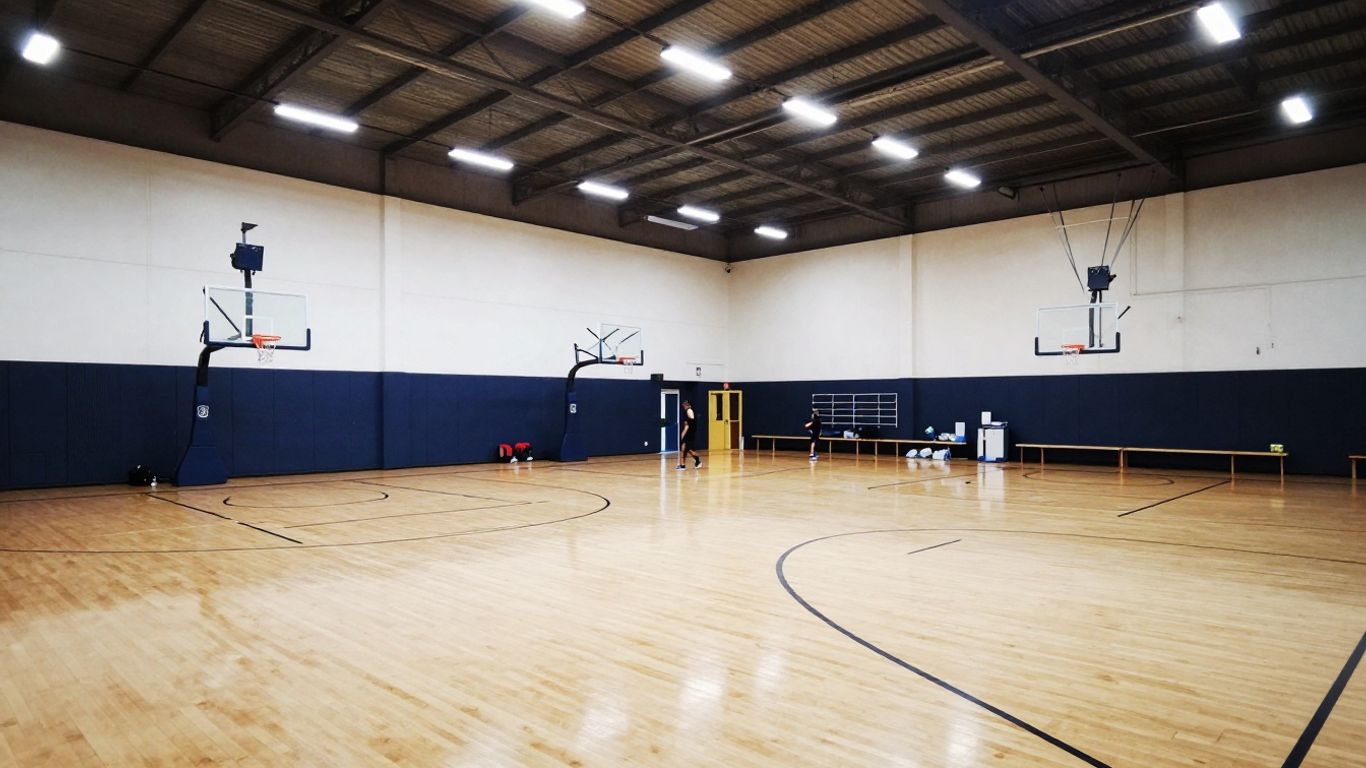
Key Takeaways
I use an indoor courts finder to narrow down venues, then check the practical details before I reserve anything.
- Start with the sport, court type, player count, and travel limit.
- Compare court condition, amenities, pricing, reviews, and facility rules.
- Check availability, cancellation terms, payment steps, and blackout dates.
- Consider lighting, access, parking, staff support, and changing facilities.
- Confirm every booking detail and save the venue’s contact information.
Define your court and facility requirements
Before I search, I decide what I actually need from the venue. A little preparation keeps attractive but unsuitable results from taking up my time. I also find it easier to compare facilities when my basic requirements are written down.
Choose the right sport and court type
I begin by naming the sport and the kind of court it requires. A full basketball court, a half court, a futsal pitch, and a multi-use indoor space can have very different dimensions, surfaces, and booking rules. I check whether the venue supplies hoops, nets, goals, line markings, or other equipment rather than assuming everything will be ready.
If I am arranging a training session, I also consider whether I need a standard competition layout or a more flexible practice area. That distinction can affect both the price and the available times.
Determine the number of players and court capacity
The number of people attending shapes the search more than I first expect. I check the venue’s stated capacity, whether spectators count towards that limit, and whether the court is suitable for the way we intend to play. A space that works for a small training group may feel cramped for a full local league session.
I also allow room for coaches, officials, bags, and any equipment that will sit beside the court. This avoids turning up with a group that exceeds the facility’s practical limits.
Identify preferred location and travel distance
I set a realistic travel boundary before opening search results. The closest venue is not always the most useful if parking is difficult or public transport adds several changes, while a slightly farther facility may be easier for everyone to reach. I consider the journeys of the whole group, not just my own.
For regular sessions, I pay particular attention to the route at the time we will travel. A convenient daytime trip can be very different from an evening journey after work or school.
Set your availability and scheduling priorities
I list my preferred days, acceptable start times, and any dates I cannot use. Then I decide which matters more: the earliest possible booking, a recurring slot, or a time when the whole group can attend. This makes the results easier to judge when several venues appear suitable.
I keep one or two backup time windows as well. Flexible scheduling can make the difference between finding a reliable court and settling for an unsuitable one.
Compare indoor courts finder search results
Once I have clear requirements, I use an indoor courts finder to build a shortlist rather than choosing the first result. I compare the details that affect the actual experience, including the condition of the court and the way the venue handles bookings. Search listings are useful starting points, but I still verify important information with the facility.
Review facility amenities and equipment
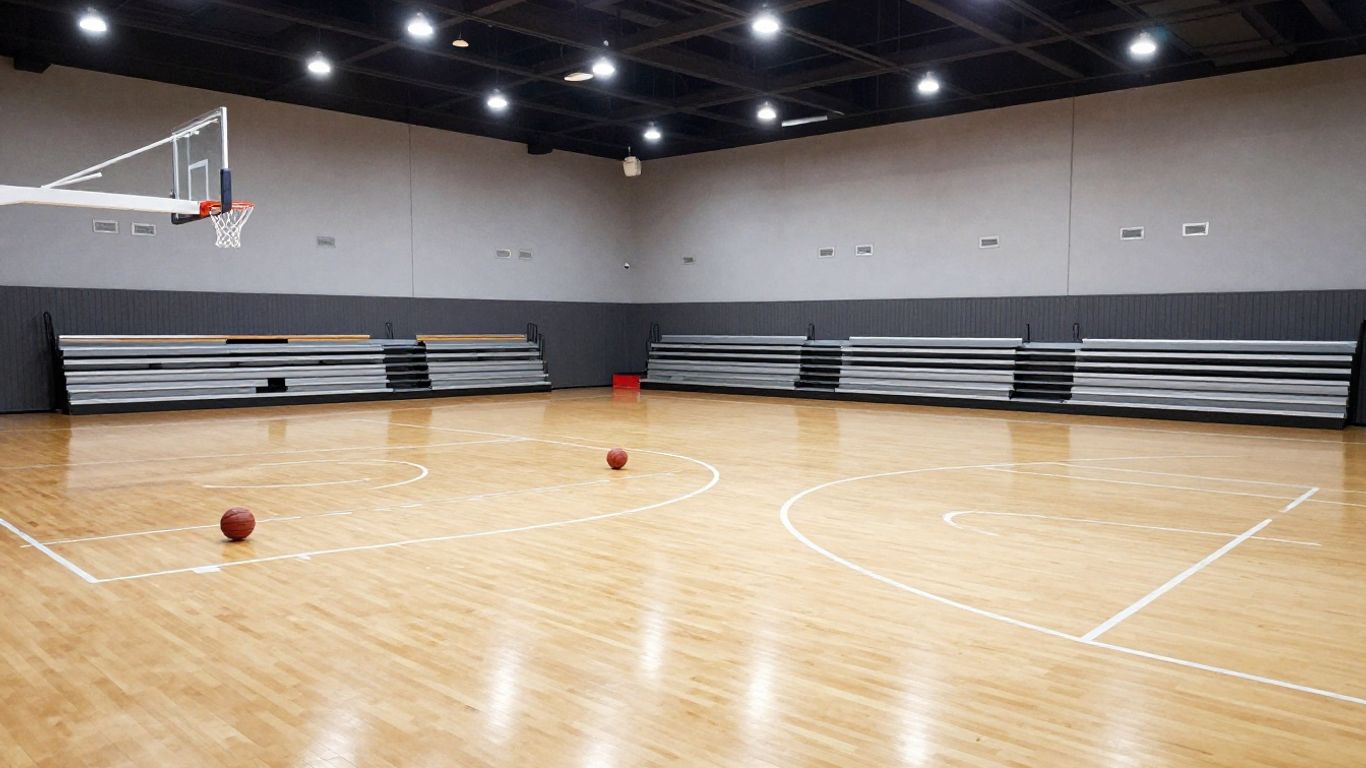
I look beyond the court itself and check what is included in the booking. Useful details can include seating, scoreboards, training equipment, drinking fountains, storage, and access to changing rooms. If the venue hires equipment separately, I add that cost and collection step to my comparison.
Photos can help me understand the layout, but I treat them as a guide rather than a guarantee. I check the listing date and contact the venue if the images do not clearly show the current space.
Check court condition and maintenance standards
The playing surface deserves close attention, especially when I am booking for a competitive session. I look for clear information about flooring, line markings, hoops or goals, and the venue’s approach to repairs and cleaning. I also check whether the court is shared with other activities that might affect its condition.
A tidy photo is not enough on its own. Reviews and a direct question to staff can reveal whether maintenance is consistent or only completed before major events.
Compare pricing, memberships, and booking fees
I compare the total cost rather than only the advertised hourly rate. Some venues may add equipment hire, administration charges, cleaning fees, or charges for extra players. I also check whether membership is optional, required, or likely to offer value for the frequency of my bookings.
A simple comparison table helps me separate the headline price from the practical cost:
| Cost detail | What I check | Why it matters |
|---|---|---|
| Court hire | Hourly rate and minimum booking time | Shows the base cost of the session |
| Extra charges | Equipment, cleaning, or administration fees | Prevents surprises at checkout |
| Membership | Joining cost and member rates | Helps assess regular-use value |
| Payment terms | Deposit, full payment, or payment deadline | Clarifies when money is due |
After I fill in these details, I can see whether a cheaper listing remains cheaper once all required charges are included. That usually produces a more useful comparison than sorting by price alone.
Evaluate ratings, reviews, and facility policies
I read reviews for repeated patterns rather than reacting to one very positive or negative comment. I look for remarks about punctual access, court condition, staff communication, cleanliness, and whether the venue matches its listing. I also read the facility’s rules on footwear, food, noise, spectators, and equipment.
Policies are part of the product I am booking. A venue can be excellent but still unsuitable if its rules conflict with how my group trains or plays.
Assess booking options and availability
A good venue is only useful if I can secure it at a workable time. I check how far ahead the facility accepts reservations, whether its calendar is current, and whether availability shown online is final or subject to confirmation. I keep written notes when a booking involves several messages or payment steps.
Understand hourly rentals and recurring reservations
I first decide whether I need a one-off hourly rental or a repeating reservation. Hourly bookings suit casual games and occasional practice, while a recurring slot may be better for a league, coaching programme, or regular training group. I ask whether the same court is guaranteed each week or whether the facility can move the booking.
For recurring sessions, I confirm the full date range and the process for changing the arrangement. A convenient first booking is less useful if future dates must be requested individually.
Confirm cancellation and rescheduling policies
I read the cancellation policy before paying. I check the notice period, whether refunds are partial or full, whether credits are offered, and how rescheduling requests must be made. I also look for separate rules covering venue closures, bad weather affecting travel, or staff-initiated changes.
I save these terms with the booking confirmation so I do not have to search for them later. Clear records make an unexpected change much easier to manage.
Check peak-time availability and blackout dates
I identify the periods when courts are most likely to be busy, such as weekday evenings and weekend mornings. Peak times may carry different prices or minimum booking requirements. I also look for school-holiday restrictions, tournament dates, maintenance closures, and other blackout periods.
I usually search several dates at once, then compare the available times with the group’s actual needs. This shows whether a venue is consistently useful or only appears available on inconvenient dates.
Verify payment and confirmation procedures
Before I submit payment, I check who receives the booking, what reference I will get, and whether the reservation is confirmed immediately. Some facilities may hold a slot while staff review the request, so I do not treat an automated acknowledgement as final confirmation without reading its wording.
I also check the accepted payment methods and any deadline for completing payment. A short final check here can prevent a court from being released while I assume it is secured.
Evaluate safety, accessibility, and convenience
I treat comfort and access as part of the venue decision, not as optional extras. A court may look ideal online but become frustrating if the lighting is poor, the entrance is difficult to find, or the group cannot use the facilities comfortably. I try to assess the whole arrival-to-departure experience.
Look for lighting, ventilation, and flooring quality
I look for even lighting without glare, adequate ventilation, and flooring that appears clean and well maintained. These details affect how enjoyable the session feels and whether players can move confidently around the space. I also check whether the venue becomes unusually warm or crowded during popular periods.
If the listing is vague, I ask a direct question about the surface and lighting before booking. Small comfort details matter when I am spending several hours at a venue or returning every week.
Confirm accessibility features and parking options
I check the entrance, accessible parking, lifts, ramps, door widths, and accessible bathrooms where relevant to my group. I do not rely on a generic accessibility label because the route from the car park or public transport stop may still present a problem.
Parking information is worth confirming as well. I look for time limits, paid areas, evening restrictions, and whether players must carry equipment any significant distance.
Review on-site staff support and security measures
I want to know when staff are present and who can help if the court is locked, equipment is missing, or another group has taken the wrong space. I check whether there is a reception desk, an after-hours contact, or a clear arrival procedure.
I also consider lighting around entrances, the security of personal belongings, and whether the facility controls access to courts. These practical details help me plan a smoother session without making assumptions about the venue.
Check changing rooms, restrooms, and spectator areas
I check whether changing rooms and restrooms are open during my booking and whether they are located close to the court. If families, coaches, or supporters will attend, I also look for seating and a sensible place for spectators to watch without entering the playing area.
The condition and capacity of these spaces can matter just as much as the court during a busy event. I include them in my notes before deciding that a venue is suitable for the whole group.
Narrow down the best indoor court
At this point, I reduce the shortlist to the venues that meet my non-negotiables. I do not try to find a perfect facility in every category; instead, I decide which compromises are acceptable for this particular booking. A clear ranking helps me avoid changing my priorities every time I see a new option.
Balance location, price, and facility quality
I compare travel time, total cost, and court quality together. A lower price may not be worthwhile if the journey is difficult or the facility lacks equipment I would otherwise need to hire. Conversely, a premium venue may make sense for an important competition but not for a casual practice session.
I usually mark each factor as essential, preferred, or negotiable. That simple distinction keeps the final choice grounded in the purpose of the booking.
Compare options for practice, lessons, and competition
Different sessions require different standards. For practice, I may prioritise flexible times and affordable repeat bookings. For lessons, I consider space around the court, equipment, and a quiet environment, while competition use may require seating, officials’ areas, scorekeeping facilities, and reliable access.
I check that the venue’s layout matches the session rather than assuming every indoor court can support every format. This is where a short call with the facility can be particularly useful.
Consider memberships and long-term booking benefits
If I expect to return regularly, I compare membership terms with ordinary casual bookings. I check whether members receive lower rates, earlier access to the calendar, easier recurring reservations, or access to equipment. I also include joining fees and any minimum commitment in my calculation.
I do not join simply because the member rate looks attractive. I first estimate how often I am likely to use the venue and whether the membership rules suit my schedule.
Identify potential limitations before reserving
Before I make a final choice, I list anything that could cause trouble. Common examples include limited parking, unavailable equipment, restricted footwear, early closing times, or a booking process that depends on staff approval. I then decide whether each issue is manageable or a reason to choose another venue.
This final review is also a good time to confirm the exact court, not just the facility name. Large venues may have several spaces with different surfaces, layouts, and access arrangements.
Complete your reservation with confidence
The final step is straightforward when I have checked the details in advance. I slow down before submitting the booking because errors in dates, times, and court types can be difficult to fix later. I keep the confirmation somewhere the organiser and, where necessary, the group can access.
Confirm the date, time, and court specifications
I read the booking summary line by line before paying. I confirm the date, start and finish times, court number or type, player capacity, and any equipment included. I also check the time zone or local venue time if the booking is being arranged while I am travelling.
If the reservation covers multiple dates, I review every date rather than assuming the pattern is correct. A small calendar error can affect an entire training block.
Review facility rules and required equipment
I read the rules again once the venue is selected, especially those covering footwear, food, drink, spectators, and arrival times. I make a short packing list for balls, bibs, water, towels, and anything else the facility does not supply.
I also confirm whether equipment must be collected from reception or returned after the session. That detail can affect how early I need to arrive.
Save booking details and contact information
I save the confirmation email, receipt, booking reference, address, and the venue’s phone number. I also record the cancellation deadline and the name of any staff member who confirmed a special arrangement. Keeping these details together makes communication easier if something changes.
For a group booking, I share only the information people need, such as the arrival time, address, and equipment requirements. I keep payment details private and avoid forwarding unnecessary personal information.
Prepare for check-in and arrival requirements
I plan to arrive early enough to find parking, check in, change, and resolve any access issue before the session begins. I check whether the venue requires identification, a membership card, a waiver, or a digital confirmation at reception.
On the day, I confirm the court with staff before unpacking. A calm arrival gives me time to deal with a locked entrance, a delayed previous booking, or an unexpected change without losing the session.
Conclusion
I get the most value from an indoor courts finder when I use it as the first step in a careful comparison, not as a substitute for checking the venue. By matching the court to my sport, group, schedule, budget, and access needs, I can reserve a facility that works in practice as well as on the screen.